
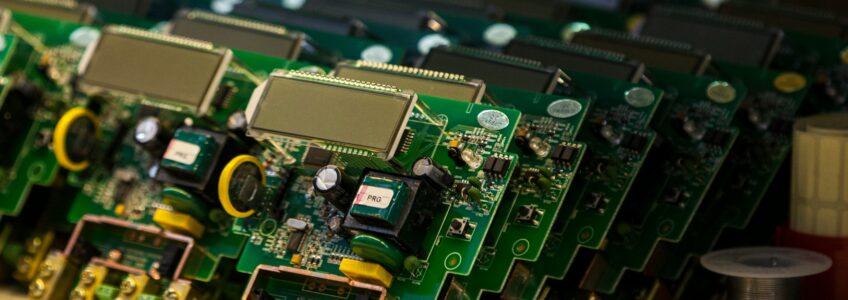
Advancements in Printed Circuit Board Manufacturing
Today’s highly advanced equipment and devices could not exist without printed circuit technologies. Shifting market demands, along with the development of increasingly smaller consumer products and medical devices, have changed printed circuit manufacturing and prompted the development of new, more efficient processes.
In this blog, we …Read More

How to Prevent Common PCB Design and Fabrication Issues
Printed circuit boards (PCBs) help power many of today’s technologies, from consumer products to highly sophisticated medical and aerospace equipment. PCB fabrication often occurs quickly and at high volumes to keep up with increasing demands. As with any design and manufacturing process, there is always …Read More
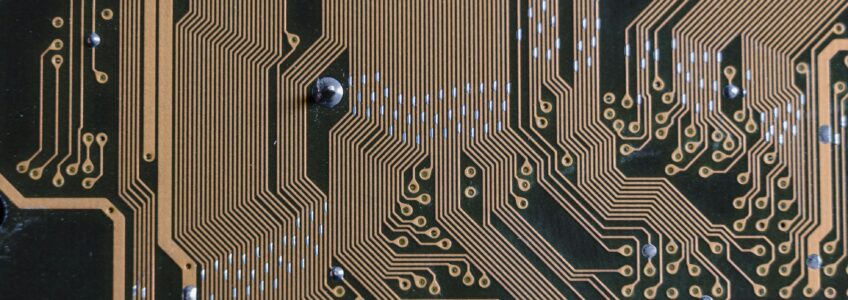
Solving Lamination Challenges in Polyimide Flexible Heater Designs
A Tier III manufacturer of products for the powersports industry approached Tramonto Circuits to manufacture a flexible heater used in thumb throttles on snowmobiles, ATVs and UTVs. Their current supplier had become nonresponsive, causing significant fabrication and shipping delays that affected production timelines.
The Challenge
The flexible …Read More

Design Considerations: PCBs in Electric Vehicles
Highly computerized electric vehicles utilize several circuit technologies to power everything from dashboard controls to charging units. The printed circuit boards, flexible printed circuits, and flexible heaters used in these vehicles have the same base design as those used in internal combustion engine automotive vehicles. …Read More
Printed Circuit Board Design Checklist
Is your printed circuit board ready for production? There are several design factors to consider before finalizing and submitting your PCB design for production.
The checklist below represents common issues our engineers have identified over decades of reviewing PCB design submissions. This is not an exhaustive …Read More
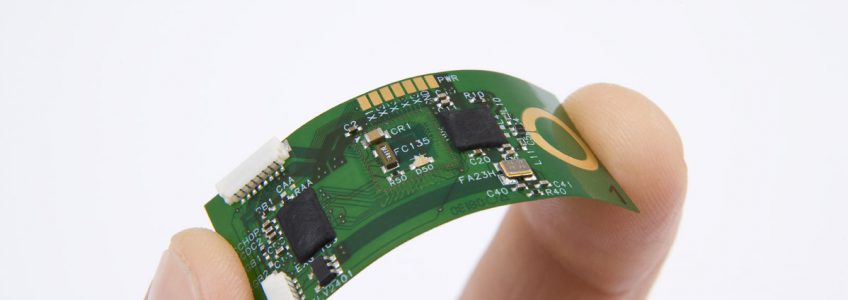
The Pros and Cons of Flexible Printed Circuits
Are flexible printed circuit boards (PCBs) the right choice for your product design? There are several factors to consider in determining which circuit technology is best suited for your application. This guide will help you prepare for design conversations with your flex circuit manufacturer.
What is …Read More
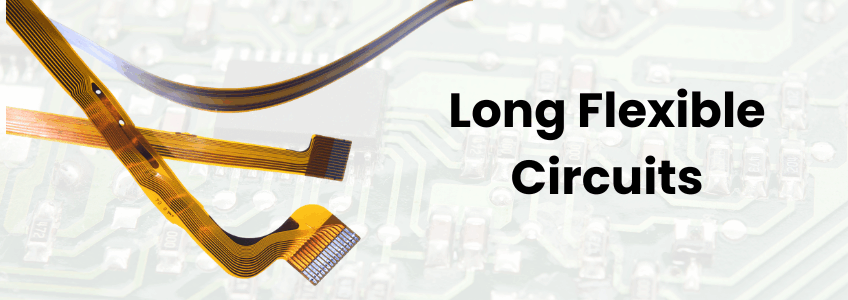
A Guide to Designing Long Flexible Printed Circuits
Long flexible circuits are increasing in popularity because they eliminate the need for long, bulky ribbon cables, which can be tedious to connect. Both thin and lightweight, this type of printed circuit conforms to contours and accommodates designs involving sliding components.
As with any circuit technology, …Read More

Everything You Need to Know About Silicone Rubber Heaters
Many of today’s products require heat to prevent freezing and condensation, or bring components to a specific operating temperature. This heating is achieved through flexible heating elements, known as silicone heaters, attached to a power source. The heaters are found in various types of consumer …Read More

7 Things You Must Know to Design Effective PCBs for Aviation Applications
Printed circuit boards (PCBs) used in aerospace applications must be highly reliable, leaving no margin for error. They must last a long time while being used non-stop in challenging and extreme operating conditions. Unlike most traditional PCBs, ones used in aerospace applications must withstand intense …Read More

Keypad Design Factors That Impact Performance
Keypad assemblies designed correctly and made with suitable materials can be highly reliable. That’s not the case if poor design and manufacturing choices are made.
The top factors that impact keypad longevity are:
Contamination entering the switch cavity
Contamination inside the switch cavity
Exceeding switch contact …Read More